 Skip to content

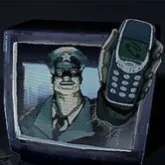
Don’t Pick Up
A first-person psychological horror game where you repair phones in a government-certified shop under an authoritarian regime and uncover secrets hidden on…
You Might Also Enjoy


























What do you do when the phone on your workbench holds information the government does not want anyone to see? Don’t Pick Up builds its tension around that question. You are a Device Repair Associate in a government-certified repair shop, working in an alternate early-2000s dystopia where the rules change every day and someone is always watching your work.
| Genre | First-person psychological horror, simulation |
| Role | Device Repair Associate |
| Setting | An authoritarian alternate early 2000s |
| Story | Multiple endings shaped by your choices |
Working the Repair Counter
Your main job is mundane on the surface. Customers bring in phones and communication devices, and you repair them. The catch is that regulations shift on a daily basis, changing what you can legally service, which parts you are allowed to use and which customers you may accept.
Breaking a rule, even by accident, has consequences.
That daily rulebook turns every repair into a small puzzle of compliance. Players who enjoy paperwork-style games with moral weight, the kind where checking details carefully matters as much as finishing the job, will recognise the pressure immediately.
Compliance Reviews and Being Watched in Don’t Pick Up
Your work is observed, and routine compliance reviews judge how well you follow orders. The game asks you to stay focused no matter what happens around you, and to continue your duties without interruption.
That instruction is where the horror creeps in. The shop feels safe only as long as you obey, and the moment you start looking too closely at a device, the atmosphere becomes heavier.
The dystopian framing tells you that your service supports the success of the city and its government, which makes every act of disobedience feel risky.
Secrets on Customers’ Phones
The devices themselves are the source of forbidden discovery. As you work through customers’ phones, you find information about factions, conspiracies and individuals caught up in the political collapse happening outside the shop.
What you do with that information shapes your story. You can stay quiet and keep your record clean, or act on what you learn and accept the consequences.
The game has multiple endings based on these choices, so curious players who dig into every message will see a very different version of events from those who keep their heads down.
Strengths and Open Questions
The concept is the main draw: a horror story told through repair work and phone contents rather than monsters. The early-2000s devices give it a distinctive look and a nostalgic feel for anyone who remembers that era of phones.
Because a demo was the first playable slice, some players are still waiting to see how deep the political storyline goes across a full playthrough.
That uncertainty is the honest caveat: the setup is strong, but how well the branching story pays off over a complete run is something the community is still discussing.
Don’t Pick Up Questions
What is your job in Don’t Pick Up?
You play a Device Repair Associate in a government-certified repair shop. You fix customers’ phones while following regulations that change daily about which devices, parts and customers are allowed.
Does reading customers’ phones matter?
Yes. The phones contain information about factions, conspiracies and people involved in the political collapse, and what you do with it affects your story and which ending you reach.
What happens if you break the rules?
Your work is monitored through compliance reviews, so breaking regulations has consequences. Deciding when to obey and when to take a risk is the core tension of the game.
Don’t Pick Up turns a repair bench into a moral battleground, where the daily rulebook, the compliance reviews and the secrets hidden on every customer’s phone decide whether the Device Repair Associate stays obedient or becomes part of the story.
Your Next Horror Games Pick
Same mood as Don’t Pick Up, different twist:
